Performing Umrah for the first time is an experience many people look forward to for years — and a little practical preparation goes a long way toward letting you focus on what matters most during the trip itself, rather than logistics. Here's a checklist to help you get ready.
Before You Travel
Check your documents early. Make sure your passport has sufficient validity remaining (most countries require at least six months beyond your travel dates), and confirm your visa and any health requirements with your travel agent well in advance. Requirements can change, so it's worth confirming current details close to your travel date rather than relying on what you read months ago.
Get comfortable walking — a lot. Between the Haram in Makkah, your hotel, and the various sites visited during ziyarat, you'll likely walk significantly more than you do in daily life — often in warm conditions. If you can, build up some walking stamina in the weeks before your trip, and most importantly, break in your shoes or sandals well before you travel. New footwear and long days of walking is a combination best avoided.
Learn the rituals beforehand, even if your group has a guide. Understanding the sequence of Tawaf (circling the Kaaba), Sa'i (walking between Safa and Marwah), and the rules around Ihram will make the experience feel far less overwhelming once you're there. Many mosques and Islamic centers offer pre-Umrah orientation sessions — and your travel agent can usually point you toward good resources if you ask.
What to Pack
Ihram clothing — For men, this means the simple, seamless white garments worn during Umrah; pack at least two sets in case one needs washing. For women, comfortable, modest, breathable clothing in light colors is ideal — loose abayas that allow easy movement during Tawaf and Sa'i work well.
Comfortable, easy-to-remove footwear — You'll be taking shoes on and off frequently for prayers. Sandals or slip-ons that are easy to manage (and easy to keep track of in busy areas) are far more practical than lace-up shoes.
A small daypack — For carrying a water bottle, personal prayer items, any medications you need during the day, your phone, and a copy of your documents. Something lightweight that doesn't get in the way during Tawaf is ideal.
Medications and a basic first-aid kit — Bring an adequate supply of any regular medications (in their original packaging, with a prescription copy if traveling with larger quantities), along with basics like pain relief, blister plasters, and rehydration salts — genuinely useful given the amount of walking in warm weather.
Portable charger and adapter — Long days mean your phone battery will run down faster than usual, especially if you're using it for navigation, photos, or staying in touch with family back home.
Copies of important documents — Keep physical and digital copies of your passport, visa, and travel insurance details separate from the originals, in case anything is lost.
During Your Trip
Stay hydrated, especially in Makkah's heat. Zamzam water is freely available throughout the Haram — take advantage of it, and drink consistently rather than waiting until you feel thirsty.
Pace yourself, especially if traveling with elderly family members. It's tempting to want to do everything immediately, but Umrah isn't a race. Resting between obligatory rituals, especially around prayer times, helps you (and anyone you're traveling with) sustain energy for the full trip.
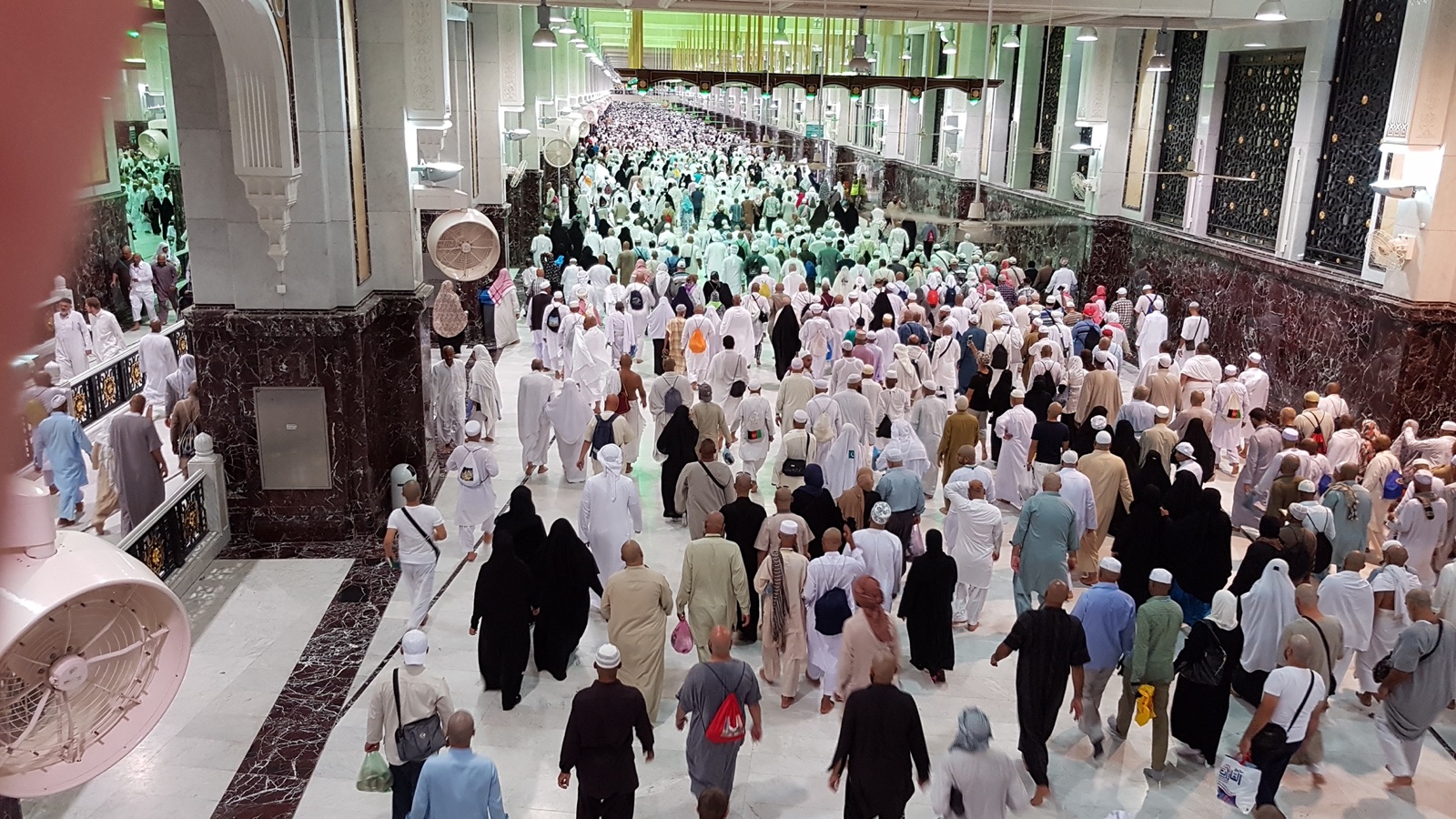
Be patient in crowds. Certain areas — particularly near the Kaaba itself, the Black Stone (Hajr-e-Aswad), and during peak prayer times — can be extremely crowded. Patience, gentleness with others, and not pushing through crowds is both safer and more in keeping with the spirit of the visit. If a particular ritual or spot feels too crowded, it's perfectly fine to perform it from a less crowded area, or return at a quieter time.
Communicate with your group leader. If you need extra rest, have mobility concerns, or simply want to adjust the pace, let your guide know — a good group leader will accommodate this, and it's far better than pushing through discomfort silently.
A Few Final Thoughts
For many people, the spiritual significance of the trip can feel almost overwhelming at first — and that's completely normal. Give yourself time to settle in, don't put pressure on yourself to "feel" a certain way immediately, and trust that the experience unfolds in its own time.
Practical preparation isn't about turning Umrah into a logistics exercise — it's about removing as many small frictions as possible, so your attention can stay where it matters most.
Planning Your First Umrah
RHT Tours offers Umrah packages designed with first-time travelers in mind, including guidance and support throughout your trip. View our Umrah packages or get in touch — we're happy to answer any questions as you prepare.