Istanbul sits at the crossroads of two continents, and few cities anywhere pack as much history, culture, and atmosphere into one place. For Pakistani travelers, it's also a destination that feels both excitingly different and warmly familiar at the same time. Here's what to know before you go.
Best Time to Visit
Spring (April–May) and autumn (September–November) are the best times to visit Istanbul — mild temperatures, fewer crowds, and pleasant conditions for walking the city's hills and historic sites. Summer (June–August) brings heat and large crowds at major attractions, while winter is quieter and cooler but still very visitable, especially for those who don't mind cooler weather in exchange for fewer queues.
Top Things to See
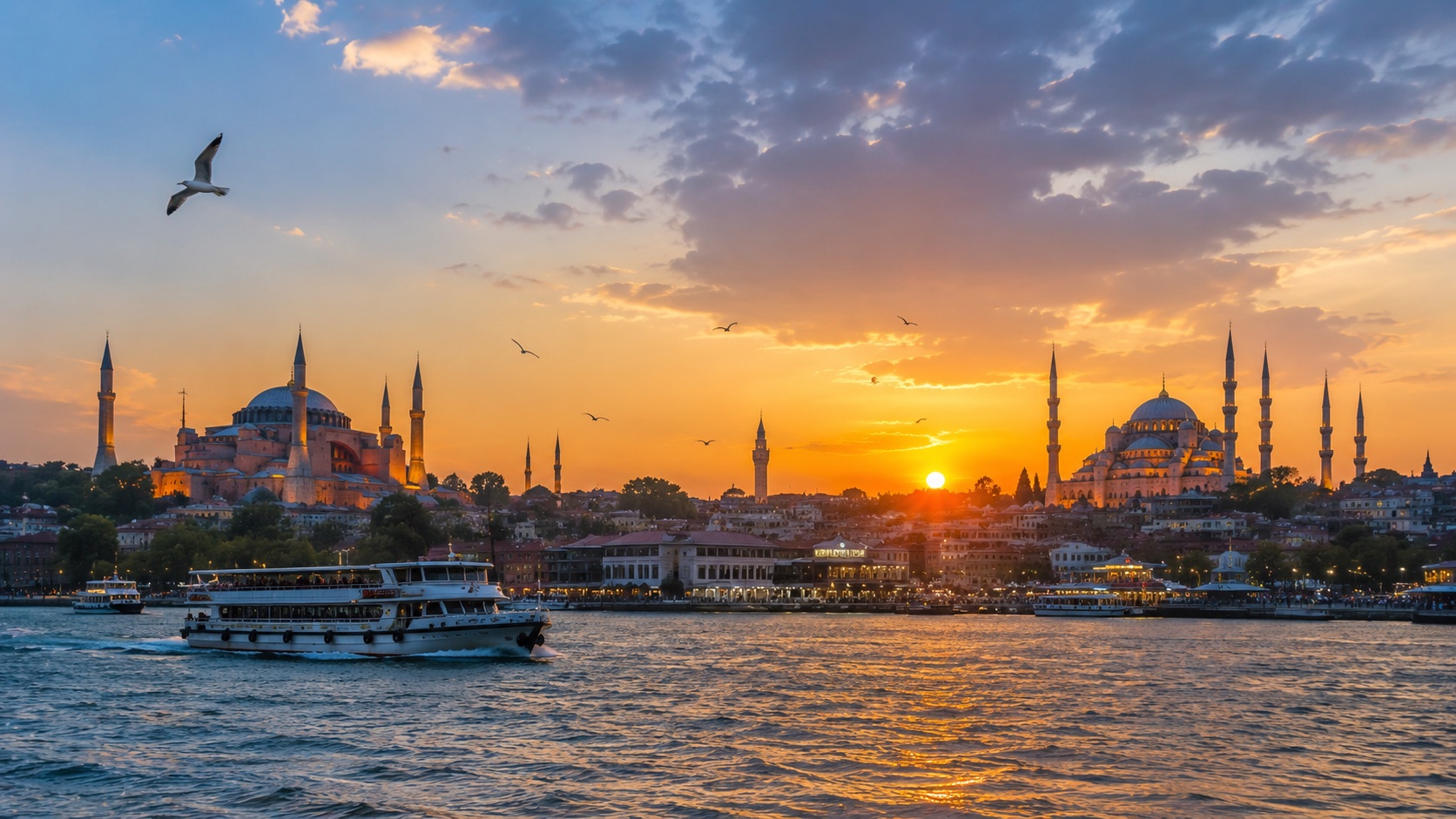
Hagia Sophia and the Blue Mosque — Two of the most iconic buildings in the world, facing each other across Sultanahmet Square. Hagia Sophia's layered history — Byzantine cathedral, Ottoman mosque, museum, and mosque again — makes it a must-see regardless of your interests. The Blue Mosque, with its cascading domes and intricate tilework, is equally striking.
Topkapi Palace — The former residence of Ottoman sultans, with sprawling courtyards, opulent rooms, and a treasury that includes some genuinely remarkable artifacts. Worth setting aside a few hours.
Basilica Cistern — An atmospheric underground reservoir dating back to the Byzantine era, with rows of columns reflected in shallow water — one of the most photographed spots in the city for good reason.
Grand Bazaar and Spice Bazaar — Two of the world's oldest covered markets, perfect for soaking in the atmosphere, picking up souvenirs, and (with some bargaining) finding genuinely good deals on textiles, ceramics, and spices.
A Bosphorus cruise — Whether a short public ferry ride or a longer dedicated cruise, seeing Istanbul's skyline from the water — with Europe on one side and Asia on the other — is one of the most memorable parts of any visit.
Galata Tower and Karaköy — Climb (or take the elevator) up Galata Tower for panoramic views, then explore the surrounding Karaköy neighborhood, known for its cafes, galleries, and a more contemporary feel.
A traditional hammam experience — A Turkish bath visit is a genuinely relaxing cultural experience, and many hammams in the historic district cater specifically to visitors with English-speaking staff.
Practical Tips
- Currency: Turkish Lira (TRY). Cards are widely accepted, but it's useful to carry some cash for markets, smaller cafes, and tips.
- Getting around: Istanbul's tram, metro, and ferry network is extensive and affordable — an Istanbulkart (rechargeable transit card) covers all of it and is worth picking up on arrival.
- Dress for mosques: Both men and women should dress modestly when visiting mosques — women will need a headscarf (often available to borrow at the entrance), and shoulders/knees should be covered for everyone.
- Bargaining: In the Grand Bazaar and similar markets, bargaining is expected and part of the experience — starting at roughly half the initial asking price is a common approach.
Common Scams to Watch Out For
Istanbul is one of the safer major cities for tourists, and violent crime targeting visitors is rare. The handful of scams that do exist are well-documented and easy to sidestep once you know about them:
The "dropped shoe-shine brush" — A shoe-shine worker walking ahead of you "accidentally" drops a brush. You pick it up and return it, and they insist on giving you a free shoe shine as thanks — then demand a hugely inflated price afterward. Simplest response: don't engage, or firmly decline before any shining starts.
The "let's have a drink" bar scam — One of the more financially damaging scams: a friendly local strikes up a conversation and invites you to a nearby bar for a drink. The bar turns out to have no visible prices, and the bill arrives for an enormous amount, sometimes with intimidating pressure to pay immediately. Avoid any bar without a clearly displayed menu and prices, and be cautious of overly friendly strangers steering you toward a specific venue.
Carpet shop "tea invitations" — A friendly chat leads to an invitation for free tea at a "family" carpet shop, followed by significant sales pressure once you're inside. Enjoying Turkish hospitality is wonderful — just be aware that a tea invitation from a shop owner is rarely just about the tea.
Taxi overcharging and "scenic routes" — As in many cities, some taxi drivers take unnecessarily long routes or claim a "broken meter" to justify a flat, inflated fare. Use ride-hailing apps where available, or confirm the meter is running before you set off.
Pickpocketing in crowded areas — Sultanahmet, the tram lines, and busy market streets are where bag-snatching and pickpocketing happen most. Standard precautions — bags zipped and in front, phone not casually visible — go a long way.
A little awareness turns all of this from "risk" into "easily avoided" — and shouldn't take anything away from what is genuinely one of the world's great cities to walk around.
Visa Requirements
Entry requirements for Turkey can vary and are updated periodically. As part of our Istanbul packages, we confirm current entry requirements for your trip and take care of the details on your behalf.
Ready to Plan Your Istanbul Trip?
RHT Tours offers Istanbul holiday packages with flights, hotels, and visa guidance included. Get in touch and let's start planning your trip.