Thailand consistently ranks among the most popular destinations for travelers from Pakistan — and it's easy to see why. Affordable, welcoming, and packed with everything from ornate temples to island beaches, it offers something for every type of traveler. Here's what to know before you go.
Best Time to Visit
Thailand's cool season, November to February, offers the most comfortable temperatures and lower humidity — ideal for sightseeing in Bangkok and island-hopping in the south. March to May is hot and can be intense for outdoor exploring, while June to October is the rainy season — showers tend to be short and predictable, and this period offers noticeably better hotel rates if you don't mind some rain.
Top Things to Do
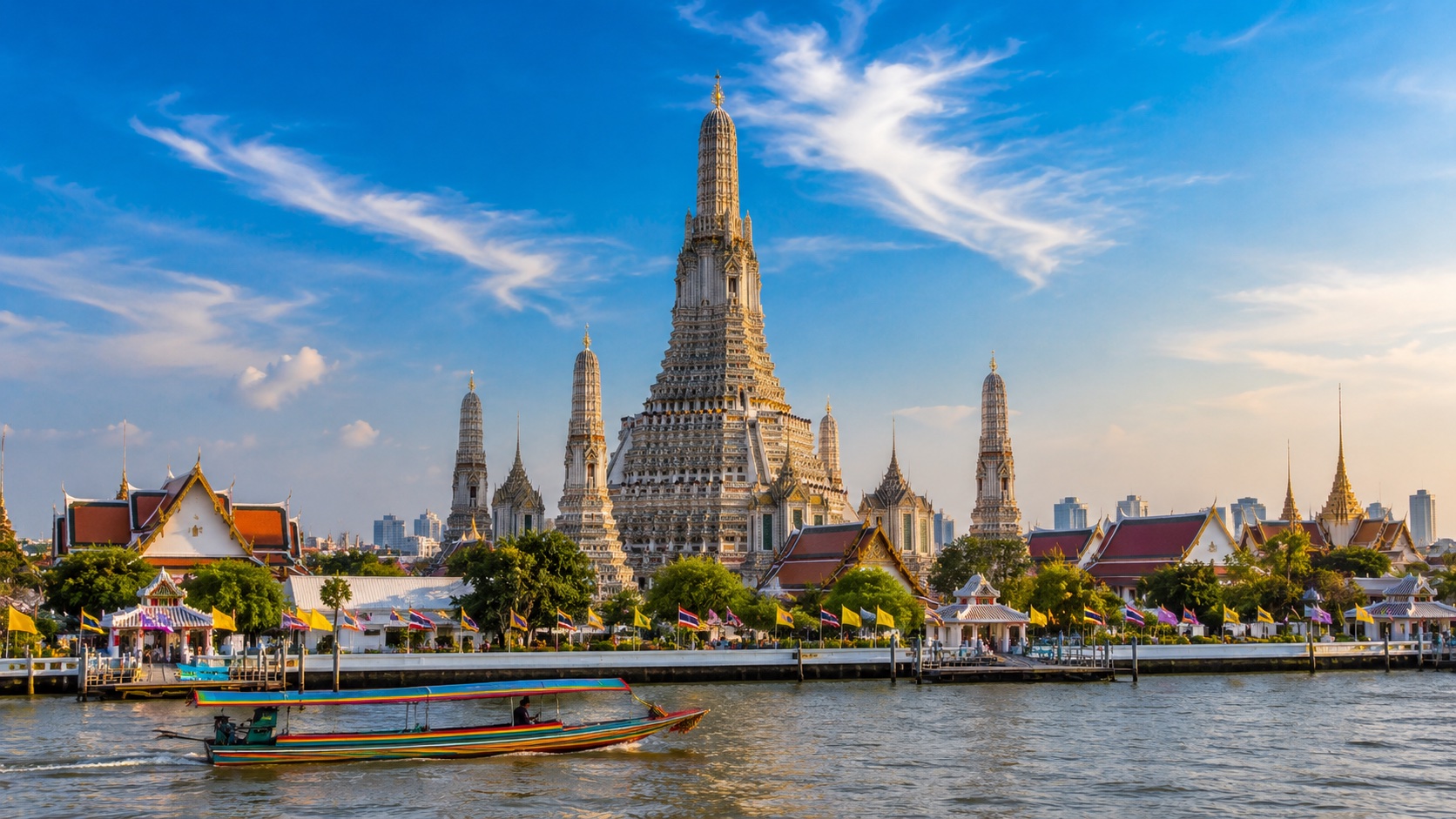
Bangkok's temples — The Grand Palace, Wat Pho (home to the giant reclining Buddha), and Wat Arun along the river are essential first stops. Dress modestly — shoulders and knees covered — as this is strictly enforced at temple entrances.
Floating and weekend markets — Chatuchak Weekend Market is one of the largest markets in the world, while a visit to a floating market (like Damnoen Saduak) offers a different pace and atmosphere, best experienced early in the morning before tour groups arrive.
Island time — Phuket, Krabi, and Koh Samui each offer a different flavor of beach holiday — Phuket for a mix of nightlife and beaches, Krabi for dramatic limestone cliffs and quieter bays, Koh Samui for a more relaxed, resort-focused feel. Island-hopping day trips (often by speedboat) are a popular way to see multiple spots in one go.
Chiang Mai — If your trip allows for it, Chiang Mai in the north offers a completely different side of Thailand — mountain scenery, a more laid-back old city, night markets, and (for those interested) ethical elephant sanctuaries that prioritize animal welfare over rides and shows.
Street food — Thailand's street food scene is genuinely one of its highlights — night markets and street stalls offer some of the best food in the country, often at a fraction of restaurant prices.
Practical Tips
- Currency: Thai Baht (THB). ATMs are widely available, though most charge a foreign transaction fee — withdrawing larger amounts less frequently can reduce the impact.
- Getting around Bangkok: The BTS Skytrain and MRT subway are efficient ways to avoid traffic, especially for getting between major areas. For door-to-door trips, Grab (similar to Uber) offers transparent, metered pricing.
- Temple etiquette: Cover shoulders and knees, remove shoes before entering temple buildings, and avoid pointing your feet toward Buddha images — all genuinely appreciated by locals and often required for entry.
- SIM cards: Tourist SIM cards with data are inexpensive and widely available at the airport — useful for navigation and ride-hailing apps from the moment you land.
Common Scams to Watch Out For
Thailand is overwhelmingly safe and welcoming, and most visitors never encounter any of this — but a handful of scams are common enough to know about in advance:
The gem scam — Usually starts with a friendly stranger (sometimes posing as a student, official, or even a tuk-tuk driver) suggesting a "special exhibition" or "government sale" of gemstones at hugely discounted prices, often near the Grand Palace. The stones are worthless, and the "discount" is the hook. Politely decline any unsolicited gem or jewelry recommendations, no matter how official they sound.
"The temple is closed today" — A common opener near major attractions: someone tells you the temple/palace is closed (for a holiday, cleaning, etc.) and offers to take you somewhere "better" instead — usually leading into a tuk-tuk tour that ends at a gem or tailor shop. Major attractions in Bangkok don't randomly close — if someone tells you this, walk on and check at the entrance yourself.
Tuk-tuk "tours" for a few baht — A suspiciously cheap tuk-tuk ride (sometimes offered for almost nothing) usually comes with mandatory stops at shops where the driver earns a commission if you buy something. If a ride seems too cheap to be real, it usually is.
Taxi meter refusal — At airports and tourist areas, some taxi drivers refuse to use the meter and quote a flat fare well above the metered rate. Insist on the meter, or simply use Grab, where the price is shown upfront.
Jet ski "damage" claims — A well-known scam on islands like Phuket: after returning a rented jet ski, the operator claims you caused damage and demands a large repair fee. Photograph and video the jet ski from every angle before renting, and never leave your passport as a deposit — only a copy.
Pickpocketing in crowds — Markets, BTS stations, and nightlife areas are where bag-snatching and pickpocketing are most common, often using a distraction technique. Keep bags zipped and in front of you in crowded areas.
None of this should overshadow the trip — Thailand remains one of the friendliest, easiest destinations for first-time international travelers. Knowing these patterns just means you can spot them instantly and move on.
Visa Requirements
Entry requirements for Thailand can vary by nationality and are updated periodically. As part of our Thailand packages, we confirm current entry requirements for your trip and handle the details — so you can focus on planning the fun parts.
Ready to Plan Your Thailand Trip?
RHT Tours offers Thailand holiday packages covering flights, hotels, and visa guidance. Get in touch and we'll help you build the right itinerary.